
13 Hosting Thanksgiving Decorations Ideas

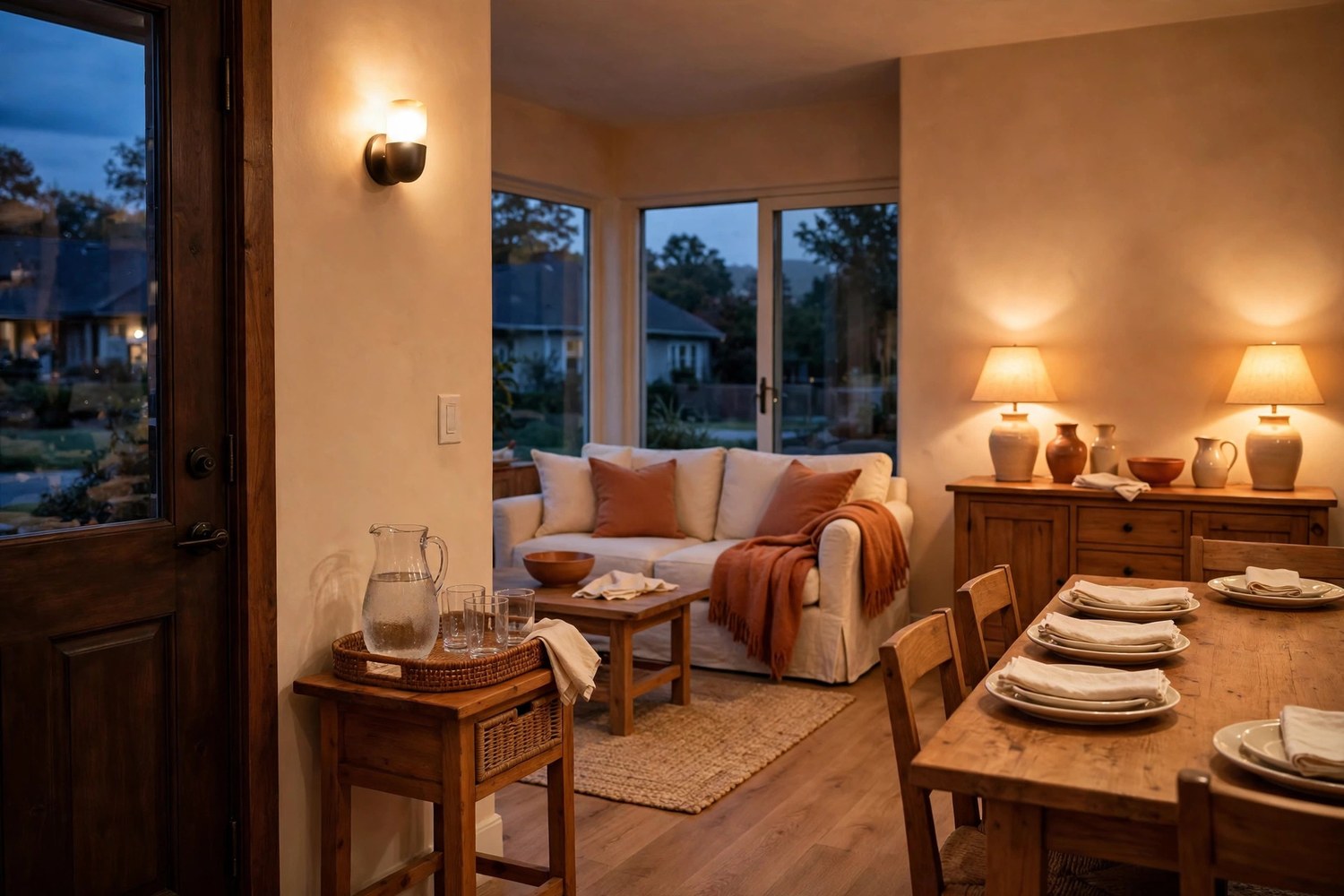
Hosting Thanksgiving for the first time, or the fifteenth, comes down to the same question: how do you make the house feel welcoming and the evening run smoothly at the same time? The answer is rarely more table styling. If you are searching for hosting thanksgiving decorations that actually help you host, think of decor as quiet assistants placed along the guest journey: something ready at the door, a plan for coats and chairs before they become problems, light that changes on schedule, and a goodbye that does not end in a scramble for containers. The thirteen ideas below follow that journey in order, from the week before to the last bag of leftovers. For a friends-only version of the day, these Friendsgiving table decor ideas cover the party table; this article covers everything around it.
Key Takeaways
- Decorate the guest journey, not just the table: arrival, settling, dinner, after dinner, and goodbye each get one deliberate touch.
- Do the visual work early. The table is styled the night before, the dessert station in the morning, so the day itself is only lighting, plating, and hosting.
- One palette carried through every zone makes borrowed chairs, mixed glasses, and different rooms read as one intentional party.
- Light on a timeline: porch and entry first, table candles about twenty minutes before guests sit, living room glow after dinner.
- Endings are decor too. A guest book by the door and a leftover packaging bar turn the goodbye into part of the celebration.
1. Choose One Palette and Carry It Through Every Zone
A week out, before you buy or move a single object, pick one palette for the whole event. Current Thanksgiving guidance keeps coming back to three directions: warm earth (terracotta, amber, sage, deep brown), moody jewel (oxblood, forest green, deep purple, brass), or soft neutral (cream, blush, gold). The right choice is whichever one your rooms already lean toward, because a palette that matches your walls and furniture needs almost no new purchases to look complete.
Then audit what you already own in that palette: the throw for the living room, the napkins for the table, the pitcher for the entry tray, the cushions that will unify borrowed chairs. Every later idea in this list gets filtered through that one decision, which is what stops hosting decor from becoming five unrelated vignettes. Repeat one metal, brass, copper, or matte black, across zones as well; small echoes are what make separate rooms feel like one party.
| When | The move | Ideas |
|---|---|---|
| A week before | Pick the palette; audit what you own in it | 1 |
| The night before | Style the table; set the reset corner; gather overflow chairs | 2, 3, 4 |
| Morning of | Stage the dessert display; build the three playlists | 5, 10 |
| An hour before guests | Porch and entry lights on; welcome tray set; scent candle lit at the door | 6, 8, 9 |
| As guests arrive | Coat overflow open; music on shift one | 7, 10 |
| About 20 minutes before sitting | Light the table candles; dim the overheads | 8 |
| After dinner | Dessert reveal; light moves to the living room and the photo ledge | 5, 11 |
| Goodbye | Guest book by the door; leftover bar open | 12, 13 |
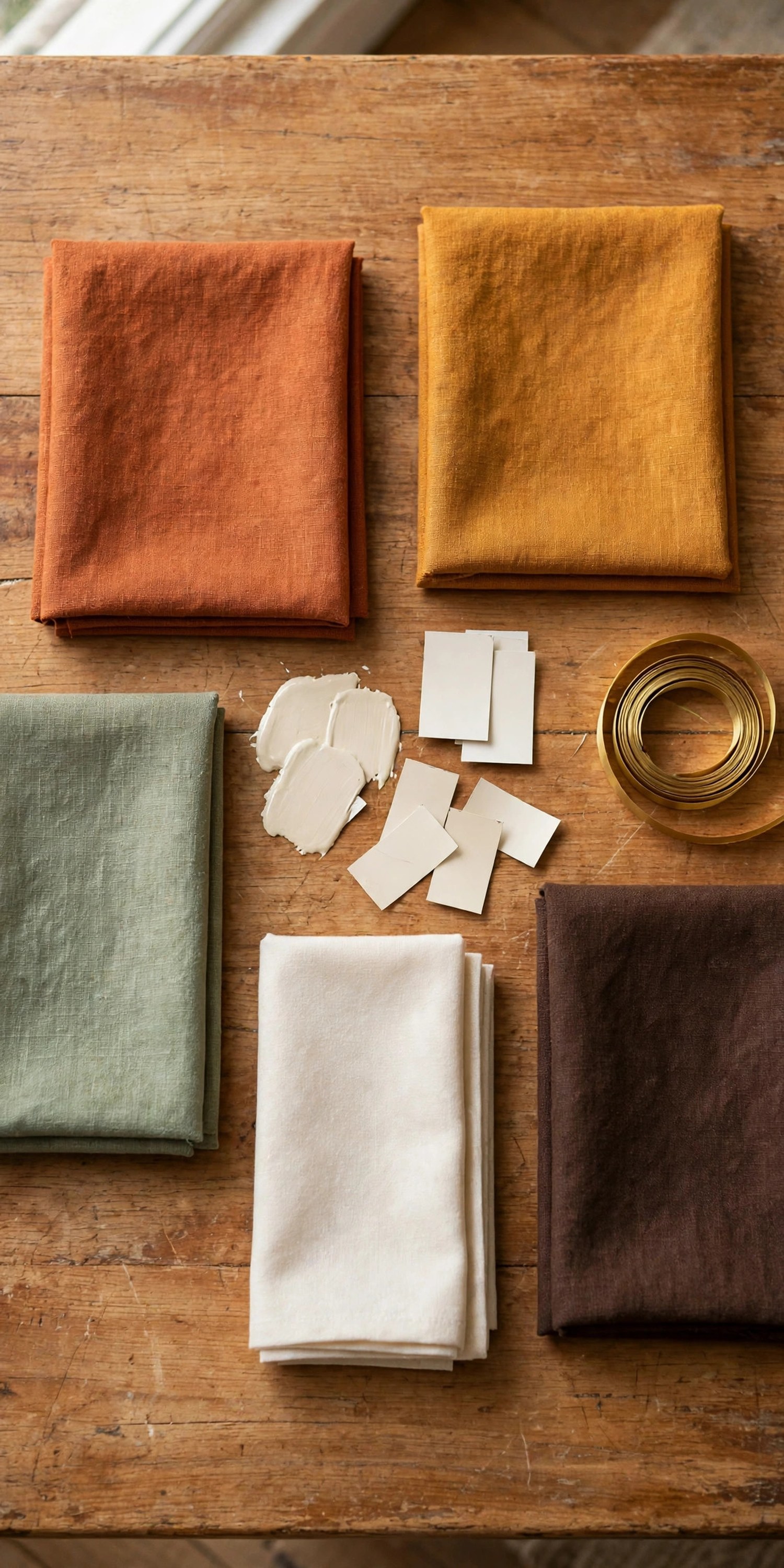
Tip: Photograph each room after styling. An object in the wrong color jumps out of a photo faster than it does standing in the room.
2. Style the Table the Night Before, Not the Morning Of
The single calmest hosting decision you can make is refusing to style the table on Thanksgiving Day. Set everything that cannot wilt the night before: linens, dishes, glasses, flatware, the centerpiece base, and the candles, left unlit. In the morning you add only the living layer, and fresh flowers, if you are using them, go on two to three hours before guests arrive. For the styling itself, these Thanksgiving tablescape ideas on a budget cover settings and centerpieces in depth; this step is purely about timing.
A finished table the night before does a second job: it shows you your gaps while stores are still open and your evening is still free. You can count chairs against settings, notice the missing serving spoon, and photograph the table to spot the one bare corner your eye skipped. On the day, the dining room is a room you walk through, not a project you are still finishing with the turkey in the oven.
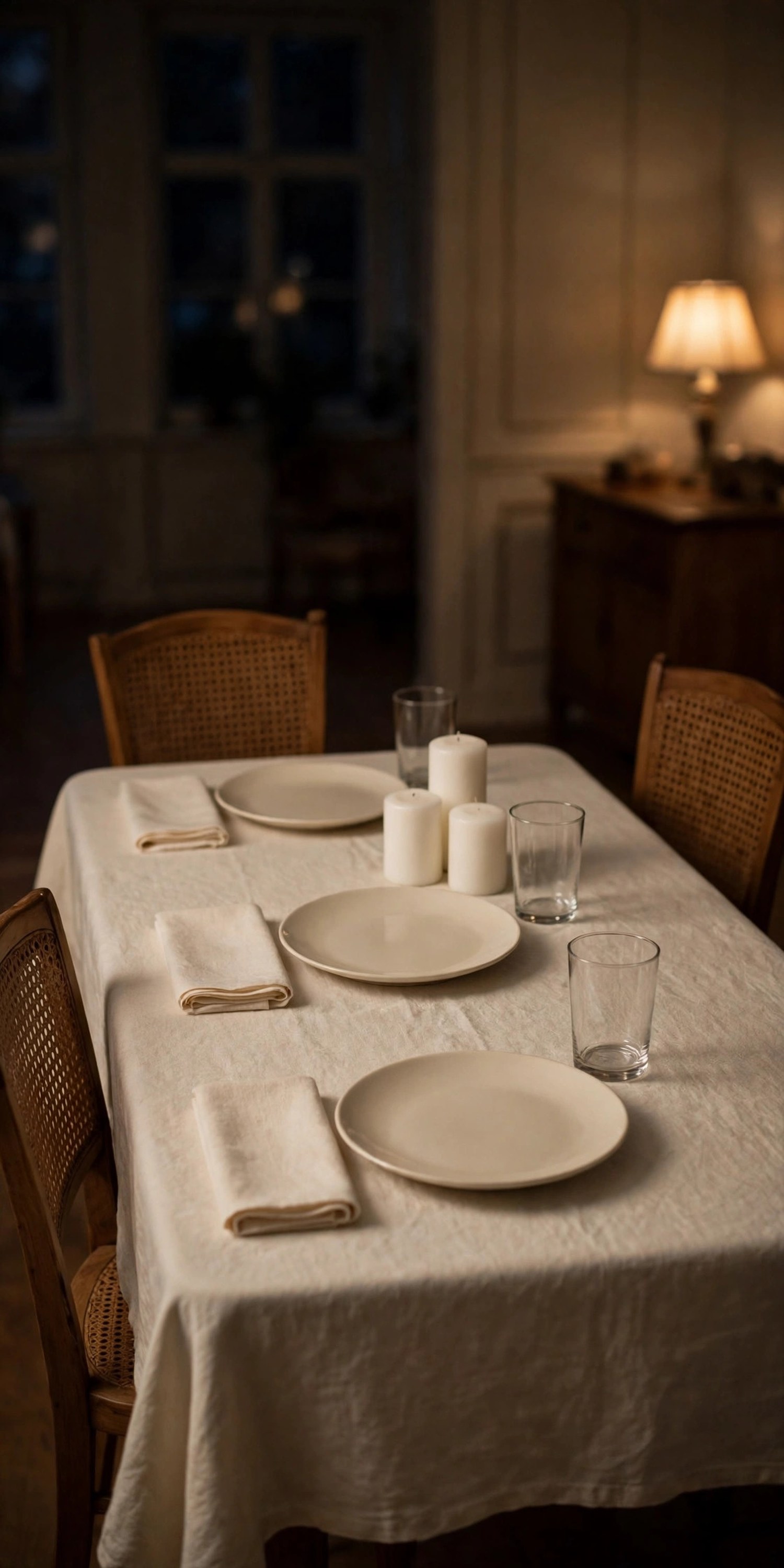
Tip: Once the table is set, drape a clean flat sheet over it for the night. It keeps dust and curious pets off the settings, and lifting it off in the morning feels like a reveal.
3. Build a Host’s Reset Corner Before the Chaos Starts
Every host needs one seat that is not part of the party. Claim a quiet corner, an armchair away from the kitchen traffic, a throw in your palette over its arm, a small side table, and one low light source, and set it up the night before. Use it that evening with a mug and the run of show in your lap; it is much easier to check a timeline from a comfortable chair than standing in a pantry doorway.
The corner keeps working on the day. It is where you sit for five minutes after the turkey goes in, where an overwhelmed guest or a tired grandparent lands during the post-dinner lull, and where the evening naturally deposits whoever wants conversation without the crowd. Because it was styled on purpose, in the palette, it reads as part of the decor rather than a chair that escaped the dining room.
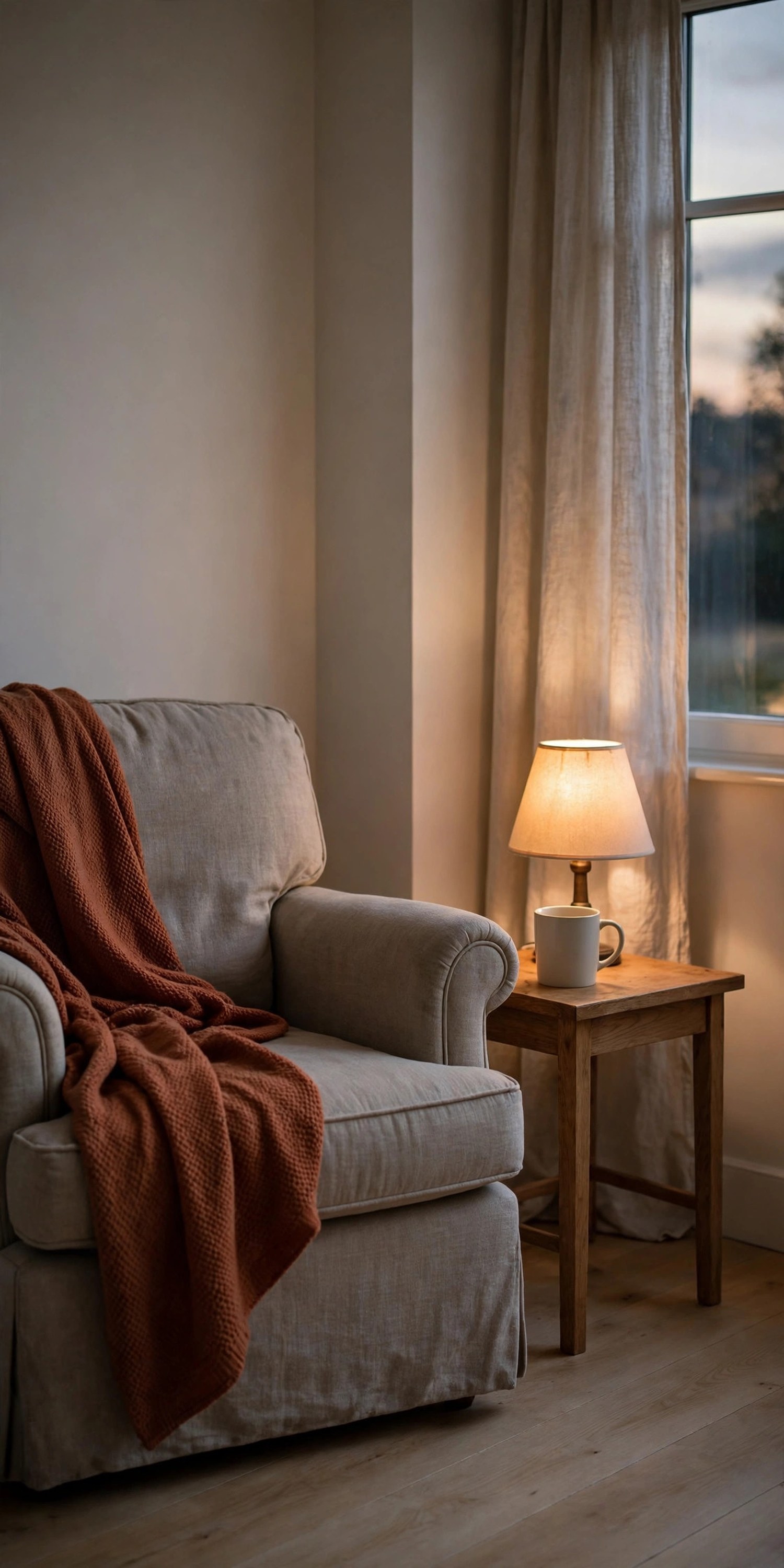
Tip: Keep the corner out of the serving path. A reset spot you have to defend from platter traffic resets nothing.
4. Set Up Seating Overflow That Looks Planned
More guests than dining chairs is a decorating problem only when it is solved at 4 p.m. on the day. Gather every chair in the house the night before: desk chairs, the bedroom vanity stool, the kitchen step stool for a small guest. Wipe them down, check them for wobbles, and line them up along a wall so the collection reads as preparation, not storage.
Unify the mix with one repeated element: the same cushion, a folded throw over each chair back, or chair pads in your palette color. If the overflow becomes a second small table, dress it with the same linen color as the main table so the room still reads as one dinner. Put the steadiest chairs at the main table and give the overflow seats the cushions; nobody remembers which chair they sat in, but everybody remembers feeling like an afterthought.
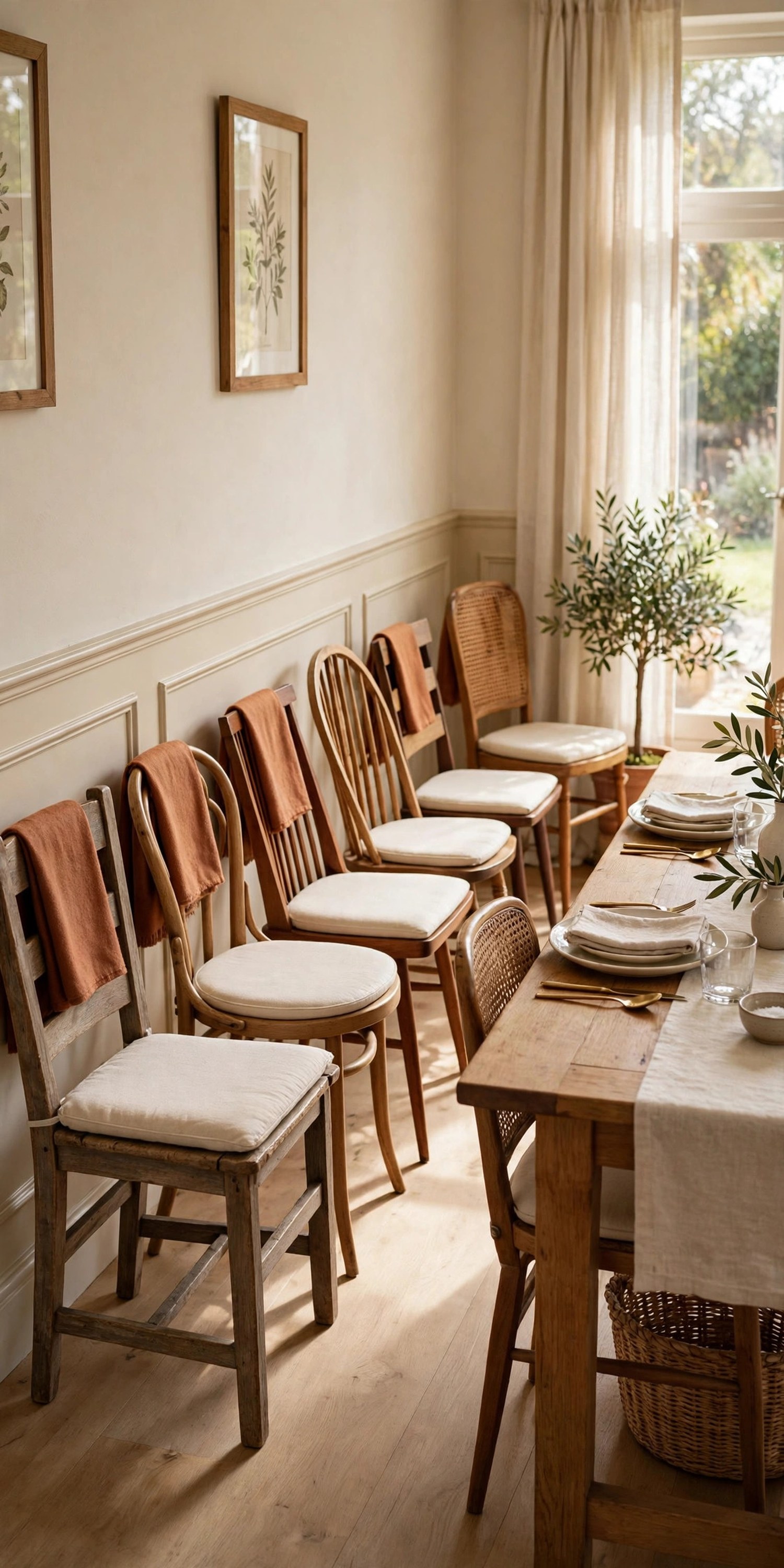
Tip: Sit in each borrowed chair for ten seconds at the table’s height. A chair that is two inches too low makes its guest feel like a child at the grown-ups’ table.
5. Stage the Dessert Display Before Dinner Is Served
Dessert fails decoratively when it is assembled in a crowded kitchen at the end of a long meal. Choose its surface in the morning instead: a sideboard, a cleared counter run, or a small table near the living room. Set it with everything except the food: cake stands and pie plates, dessert forks, small napkins, coffee cups, and the serving pieces, arranged at final heights so the composition is already solved.
Keep the pies and cakes in the kitchen, covered, until dinner ends. Then the reveal takes two minutes: desserts land on stands that were waiting for them, coffee goes on, and the party moves toward the sweet course instead of watching you hunt for the pie server. A staged-but-empty display also looks deliberate all afternoon, like the second act of the evening is dressed and ready.
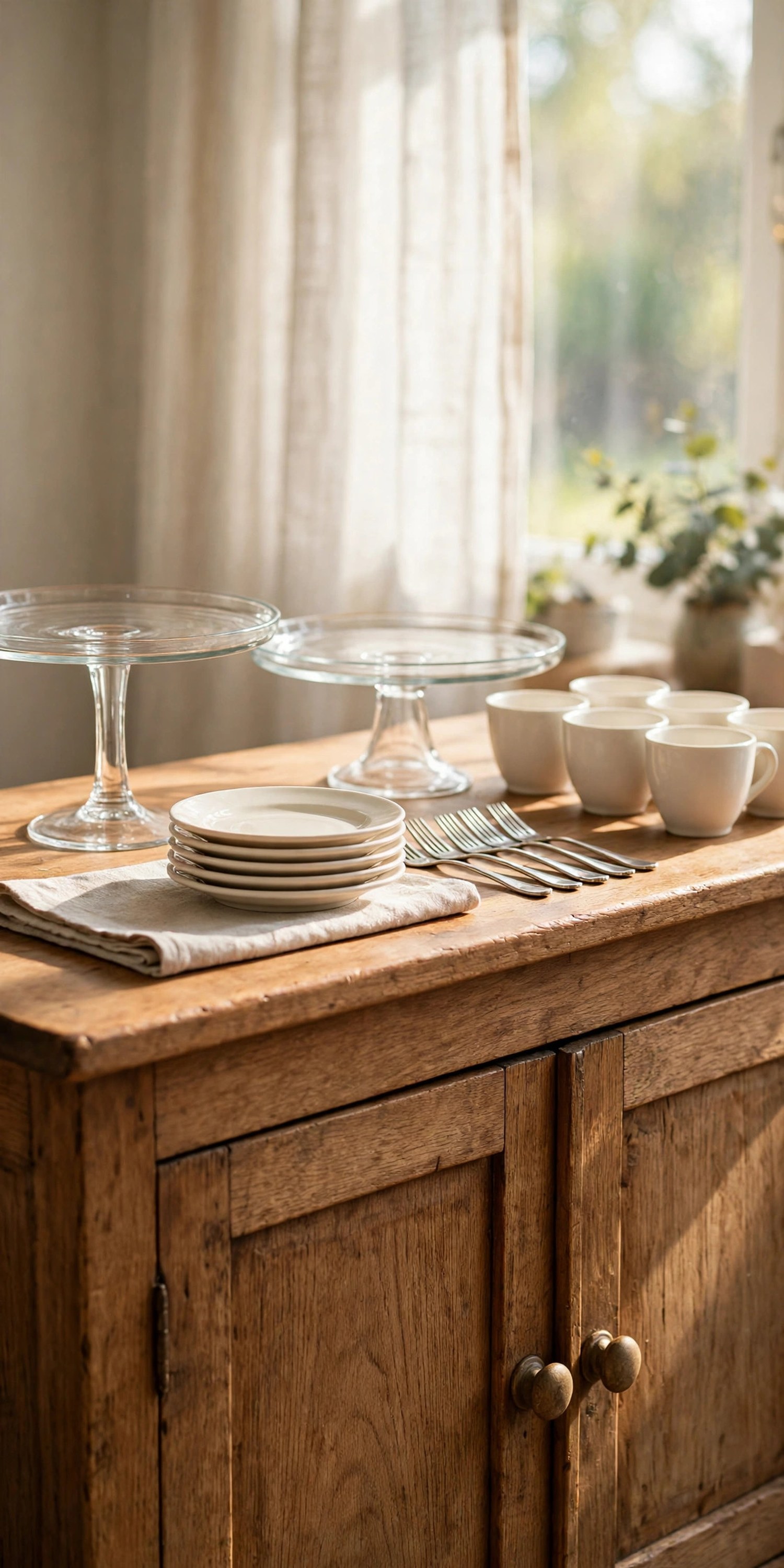
Tip: Put the coffee and tea within arm’s reach of the dessert surface when you stage it. Dessert and coffee in two different rooms splits the after-dinner crowd in half.
6. Put a Welcome-Drink Tray by the Door
The first two minutes decide whether arrivals feel smooth or chaotic, and the host is usually in the kitchen for them. A single tray, set where guests land just inside the door, does the greeting for you: one pitcher of something seasonal and cold, one simple alternative like sparkling water with citrus, a stack of glasses, and a small folded towel for drips. Guests can pour for themselves while coats come off and hellos happen.
Keep the tray small and the choices at two. This is not a drinks station, and it should not grow into one; its job is to give arriving hands something to hold. Refill the pitcher once when dinner is called, then let the tray retire to the kitchen so the entry stays clear for the goodbye.
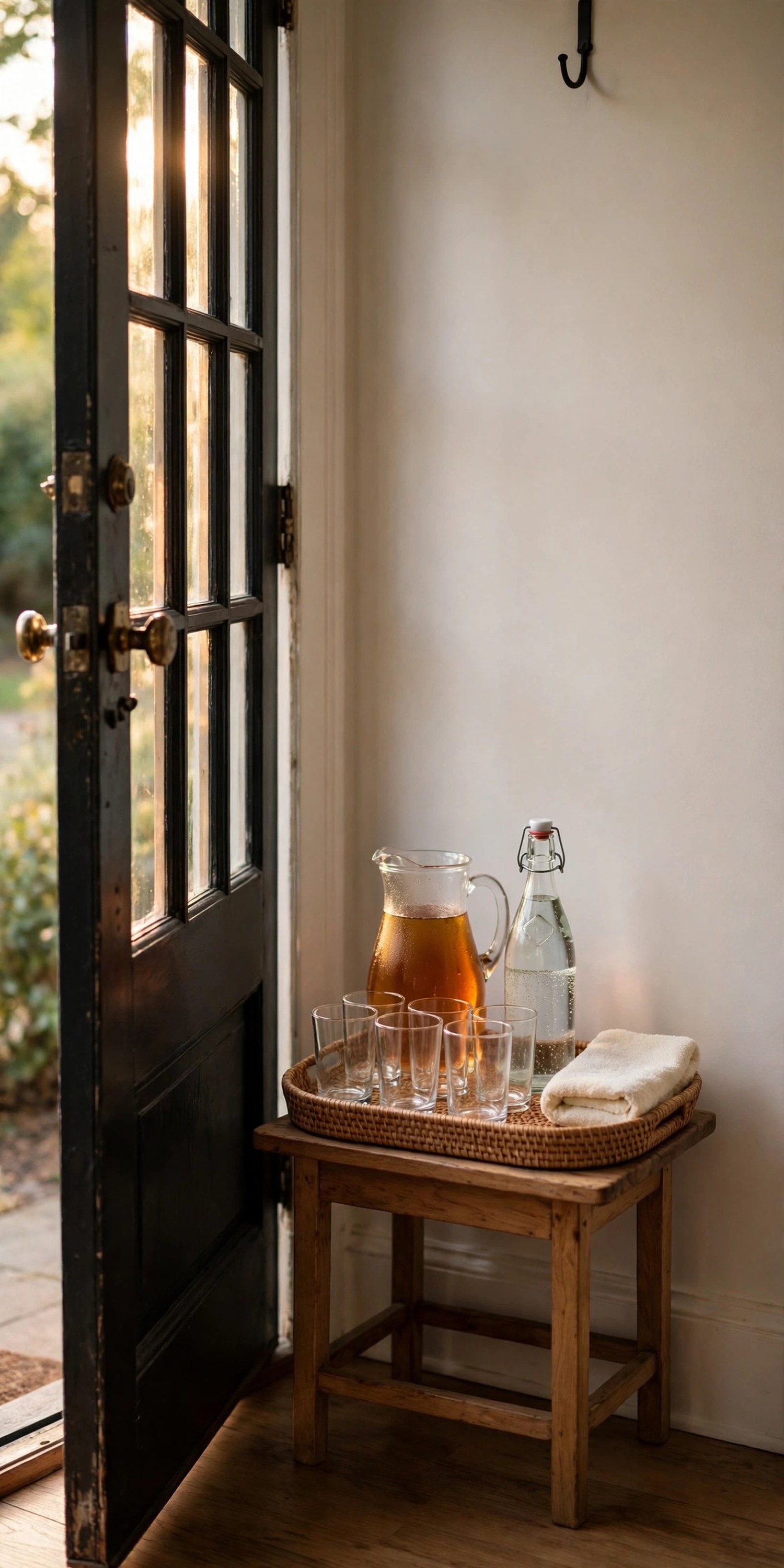
Tip: Set the tray where guests pause after the door, not on the entry console itself. The console is decor; the tray is traffic, and the two fight for the same twelve inches.
7. Give Coats and Bags a Planned Overflow Home
An entry closet holds about six coats gracefully, and then every arrival becomes a small negotiation. Decide the overflow before the first guest: a portable garment rack in the room nearest the door, a row of hooks on a hallway wall, or the bed in the closest bedroom, covered with a washable throw, with an empty basket beside it for bags and scarves. Put out a handful of empty hangers so the system is obvious without instructions. For the entry’s own styling, layered mats, benches, and consoles, the site’s Thanksgiving entryway decor ideas cover that zone in full; this step is the hosting layer on top of it.
Move your own family’s coats into a bedroom closet before guests arrive, so the entry closet starts empty and the overflow only takes the surplus. When people leave, one glance at the rack beats the traditional excavation of a single overstuffed closet, and nobody’s coat ends the night under nine others.
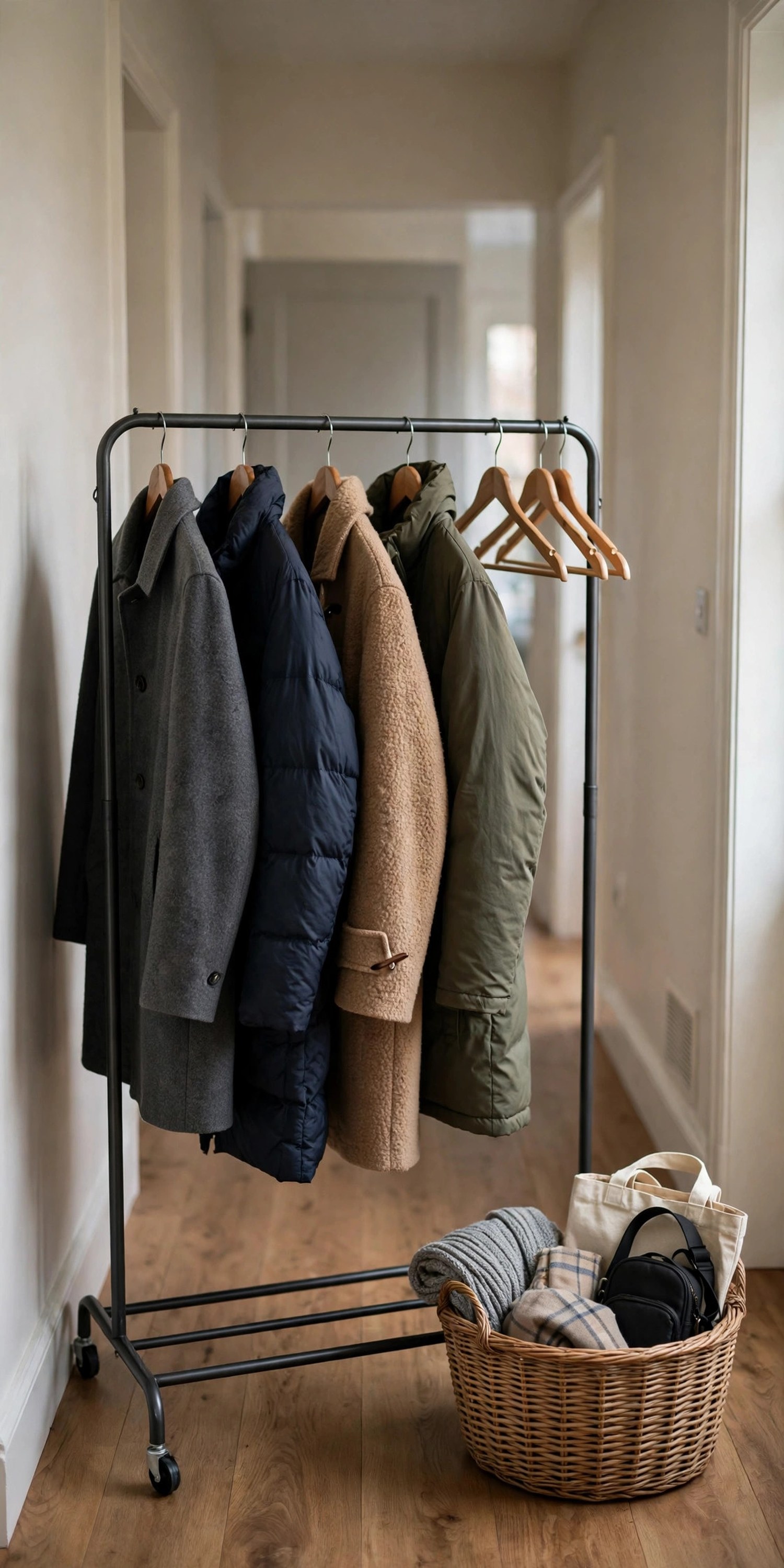
Tip: Tell the first two guests where coats go as you take them. After that, new arrivals follow the evidence and the system runs itself.
8. Run the Lighting on a Timeline, Not All at Once
Most hosts light everything an hour early and then never touch it again, which wastes the strongest mood tool in the house. Sequence it instead. Porch and entry lights go on about an hour before arrivals, so the house looks awake from the street. Lamps in the living room join them as the first guests settle. The table candles wait: lighting guidance for Thanksgiving tables suggests lighting them about 20 minutes before guests sit down, so flames are steady and wax has pooled when dinner starts, and that is the moment to dim the overheads. Current Thanksgiving candle and lighting ideas walk through the layer options room by room if you want the full menu.
After dinner, move the light with the people: kitchen fluorescents off, living room lamps and low candles on, the dessert surface lit warmly. Flameless candles on timers are the honest shortcut for any layer you will forget; set them once in the morning and that layer of the timeline runs itself.
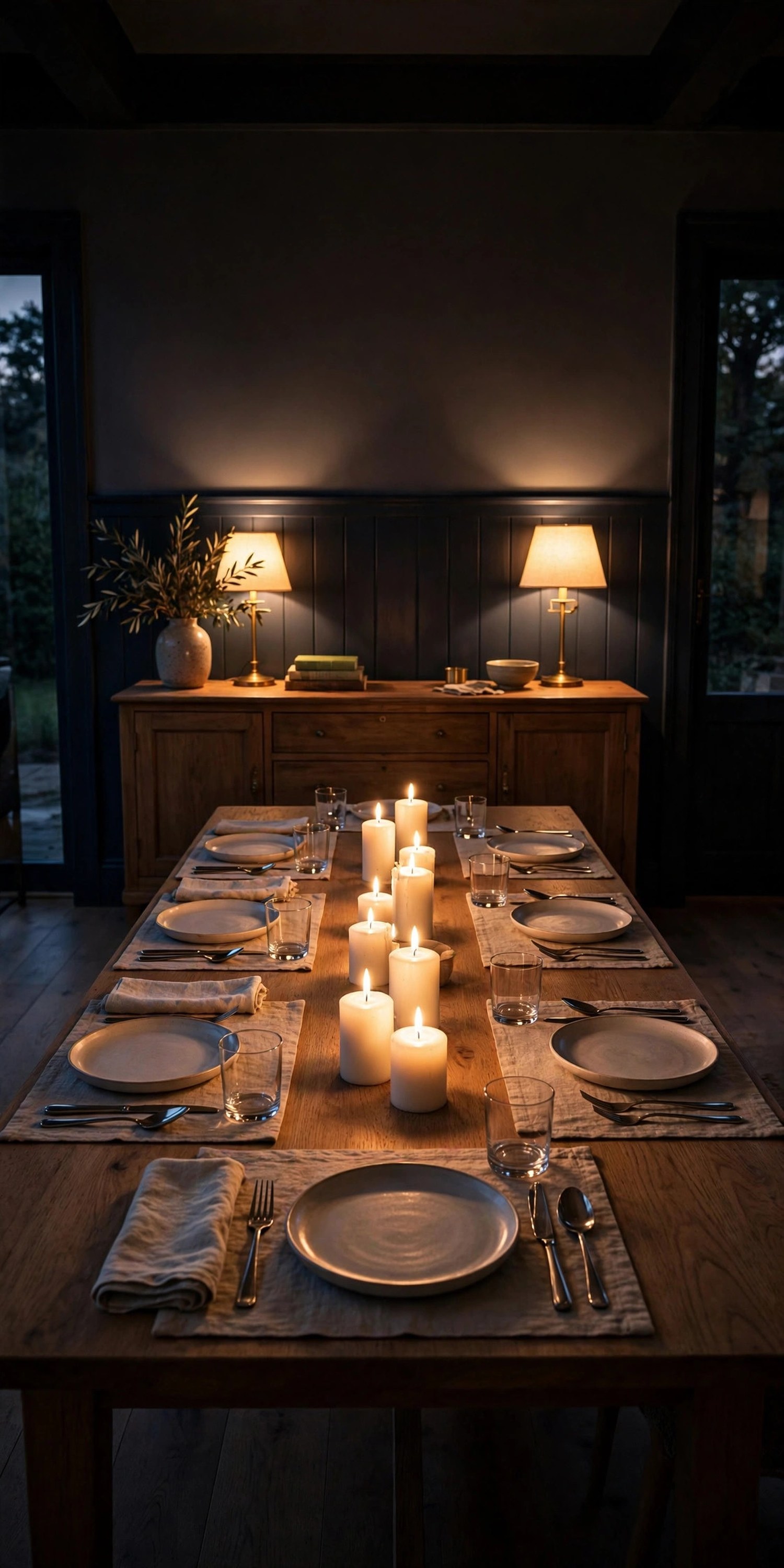
Tip: Do a lighter walk in the morning: one lighter or matchbox placed in each candle zone. A lighting timeline fails fastest when step one is hunting for a flame.
9. Keep Table Candles Unscented and Move Scent to the Edges
Scent is the decoration guests notice first and forgive least. At the table, fragrance competes directly with the food, so the candles there should be plain unscented pillars and tapers, full stop. A table that smells like turkey, butter, and pie needs no help from a candle, and a scented candle in the middle of it turns dinner into a contest.
Put the scent where it does no harm: one scented candle in the entry, lit as guests arrive and snuffed before everyone sits down, so the first impression carries the season without following it to the table. The middle of the house will scent itself from the oven. If you are adding a small touch to the powder room as well, keep it visual; the scented-candle-in-a-small-room move is the one guests with sensitivities remember.
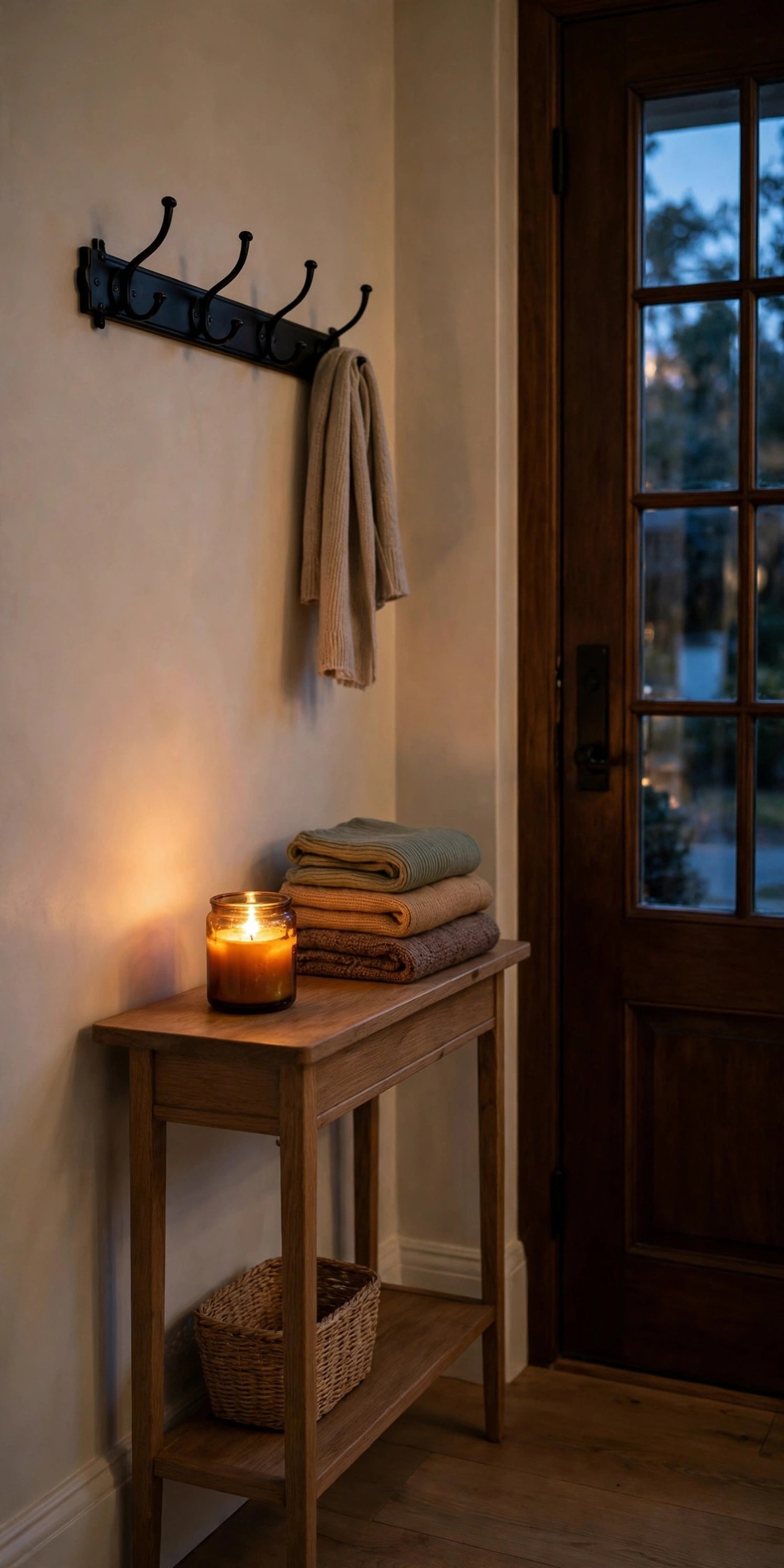
Tip: Test your “unscented” candles a week ahead by lighting one for an hour. Some pillars sold as unscented still carry a fragrance; Thanksgiving morning is the wrong time to learn that.
10. Program the Music in Three Shifts
Music is the one atmosphere layer with no visual footprint, and it still needs styling. Build three short playlists in the morning: arrival music a touch brighter and at conversation-plus volume, dinner music lower and mostly instrumental so it sits under voices, and an after-dinner set that can warm up again as energy returns. Naming them by shift (Arrival, Dinner, Pie) means anyone can run the change, including the guest who asks how they can help.
Place the speaker where the sound spreads rather than where it looks tidy: on a shelf in the room where people gather, angled into the space, not on the dining table competing with plates and not in the kitchen under range-hood noise. Walk to the farthest seat during your morning sound check; if the dinner playlist is clear there without being loud at the near seats, the level is right.
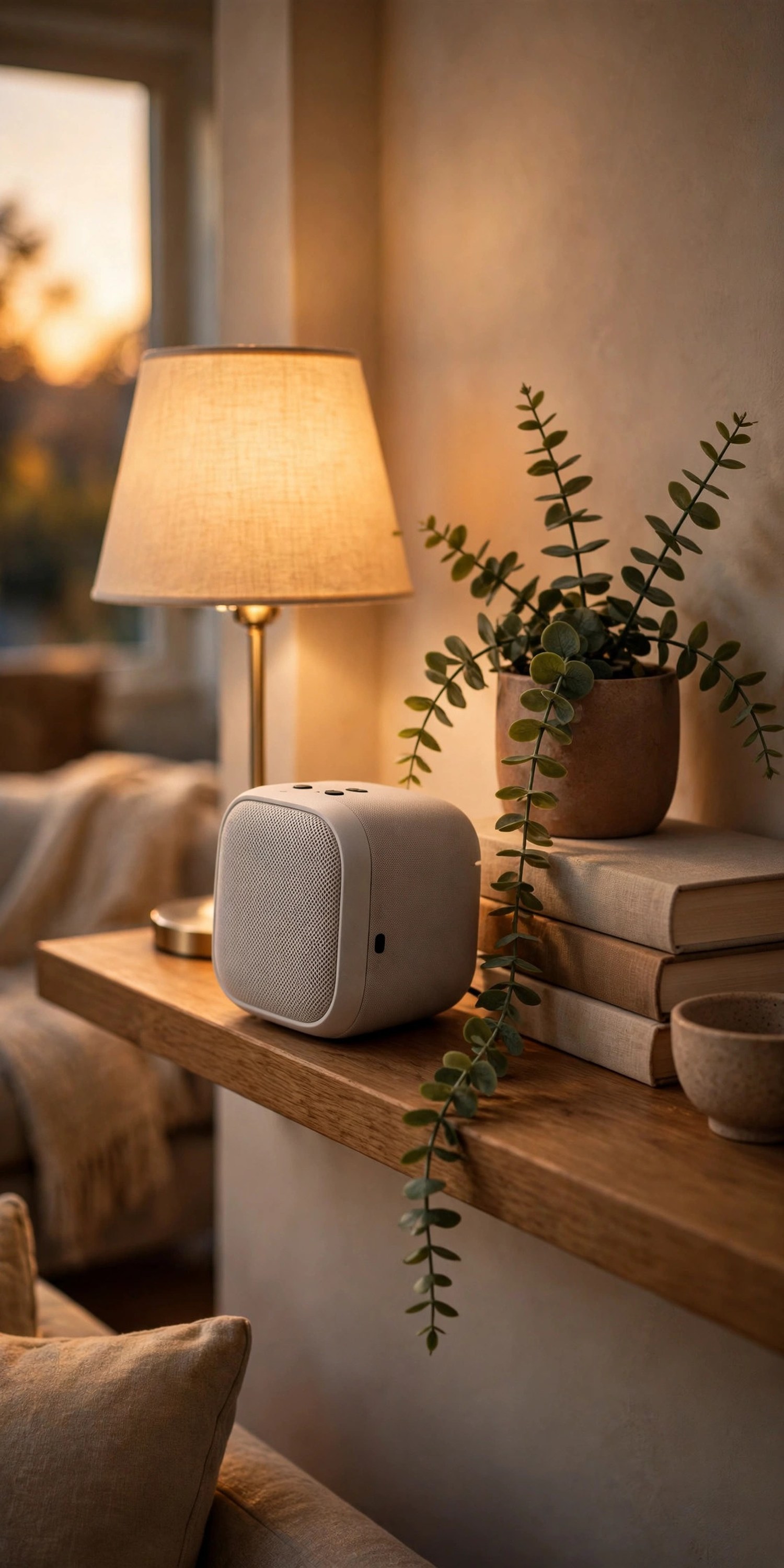
Tip: Turn the dinner playlist on before the first plate is served, not after. Music that starts mid-meal announces itself; music that is already there just feels like the room.
11. Turn Family Photos into the After-Dinner Gathering Point
After dinner, people drift, and where they drift is a design decision. Give them a destination: a row of framed family photos along a living room sideboard or mantel ledge, gathered from around the house plus a few favorites printed for the day. Old Thanksgivings, grandparents, last year’s table: the frames do the hosting, starting conversations you do not have to carry while you are making coffee.
Keep the display to one surface, with frame sizes and finishes mixed. Six to ten frames is plenty; more becomes a gallery wall project. Because the photos were pulled from your own rooms, the whole idea costs at most a few prints, and the living room gains the personal layer that no purchased decoration supplies.
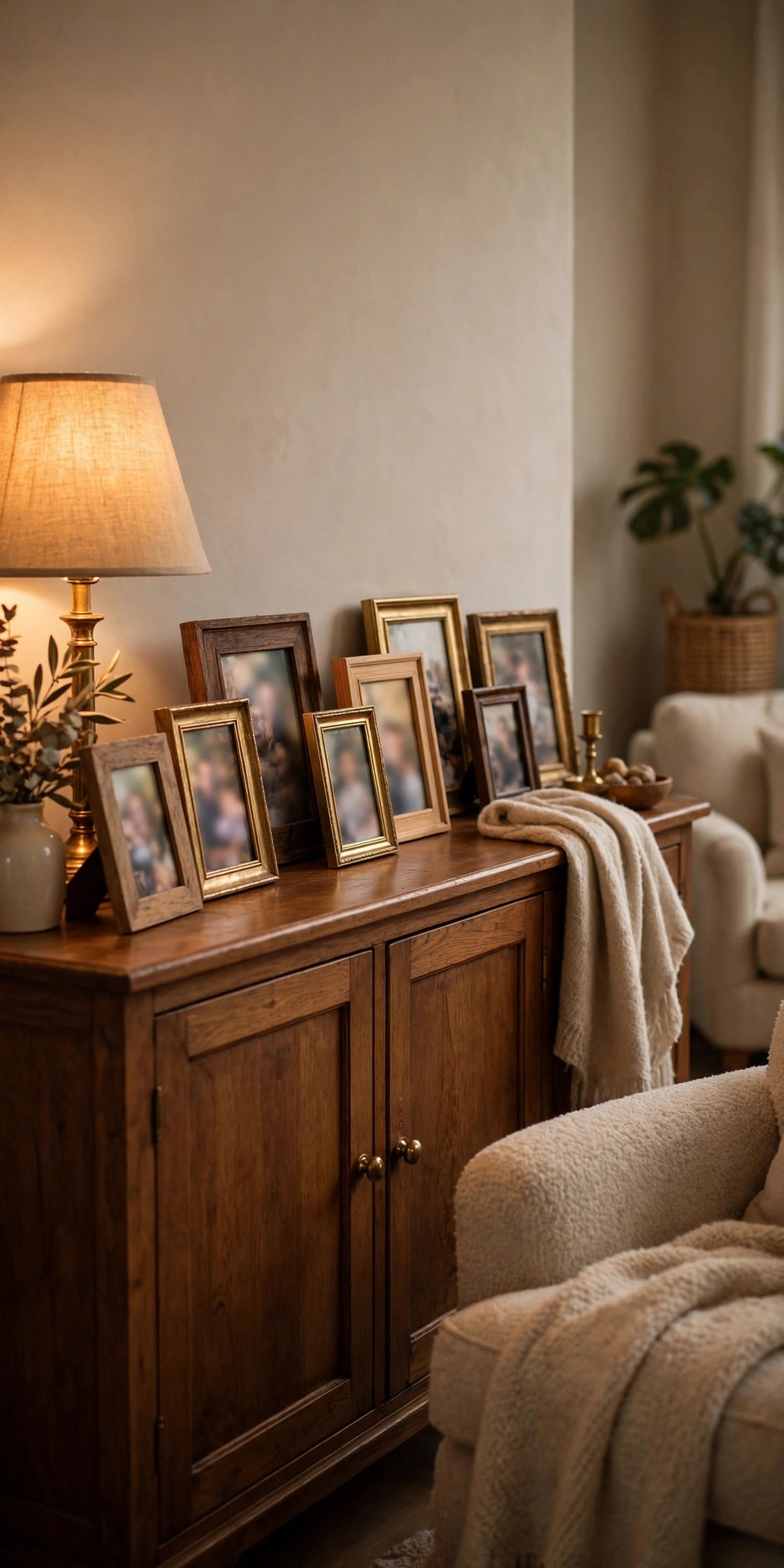
Tip: Include one photo of someone who could not be there this year. It is the frame guests mention on the drive home.
12. Station a Guest Book by the Door for the Goodbye Pass
A bound guest book on a small surface near the door catches the moment every other gratitude idea misses: the goodbye, when people are actually feeling the evening. Set it out in the morning, open, with a pen you have tested, and write the first entry yourself — the date, the menu, one line about the day. A book with a first entry is an invitation; a blank book is homework.
Keep the ask tiny. One line per guest, name and a sentence, written as coats come on. Unlike a wall display, the book is private, unhurried, and still there next year: reading last year’s entries while this year’s turkey roasts becomes part of the holiday.
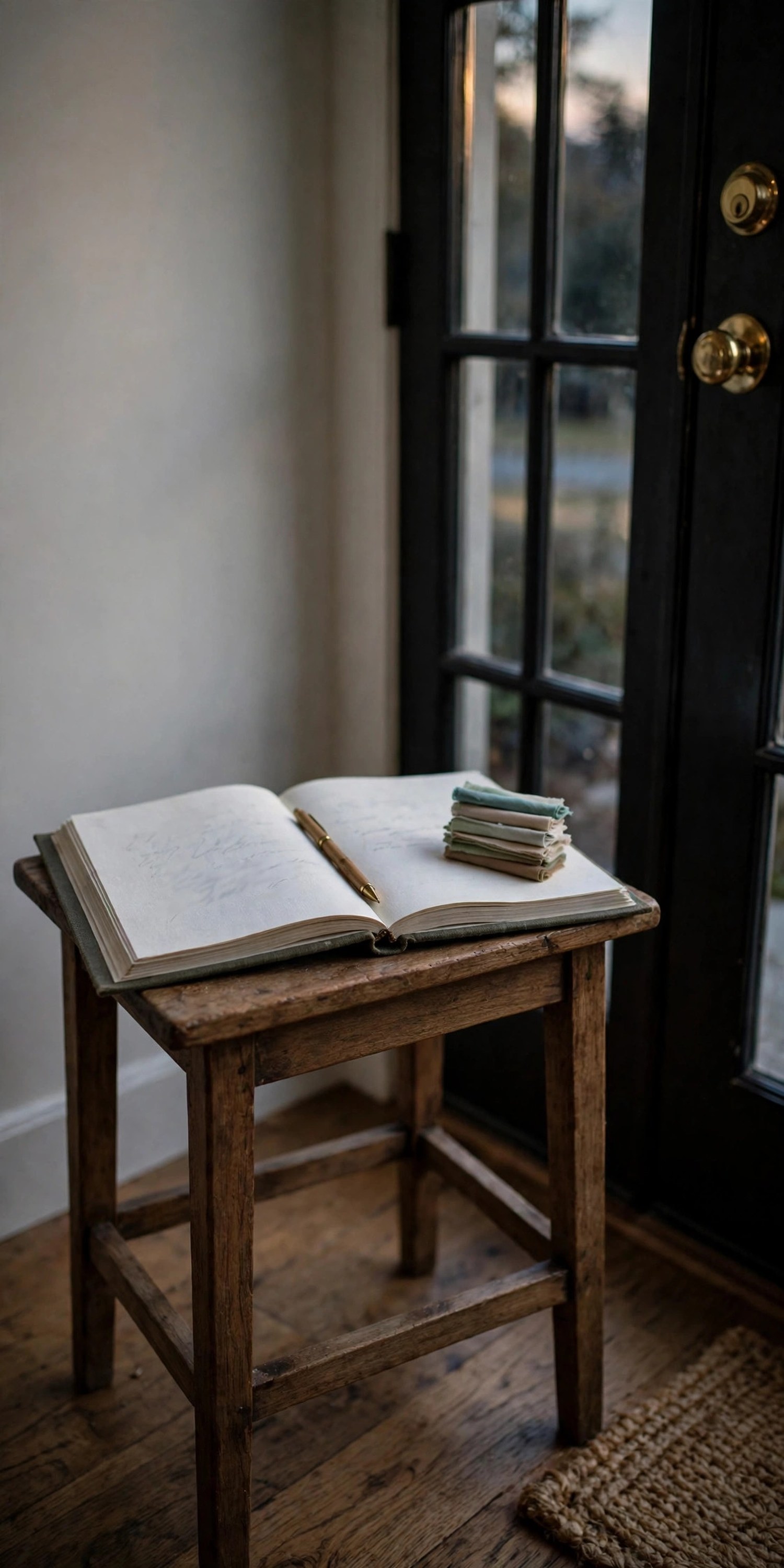
Tip: Mention the book once, as dessert is served: “Sign the book on your way out, one line each.” One announcement at a warm moment beats a sign, and the book fills itself.
13. Set Up a Leftover Packaging Bar Before Anyone Leaves
Every Thanksgiving ends with the same small chaos: great food, no containers, and a line of guests holding plates. End it on purpose instead. Before dessert is over, clear one stretch of kitchen counter and lay out the packaging bar: containers with their lids already matched, a roll of foil, labels or tape with a marker for names and dates, and paper bags for carrying. That is the whole station, and it takes five minutes to build.
Guests pack their own, which is faster, fairer, and quietly festive: people compose their leftover plates the way they composed dinner. The bar also protects the rest of your ending. The dining table stays a place people are sitting and talking, the sink stays out of the negotiation, and the last thing your guests do in your kitchen is something generous rather than something awkward.
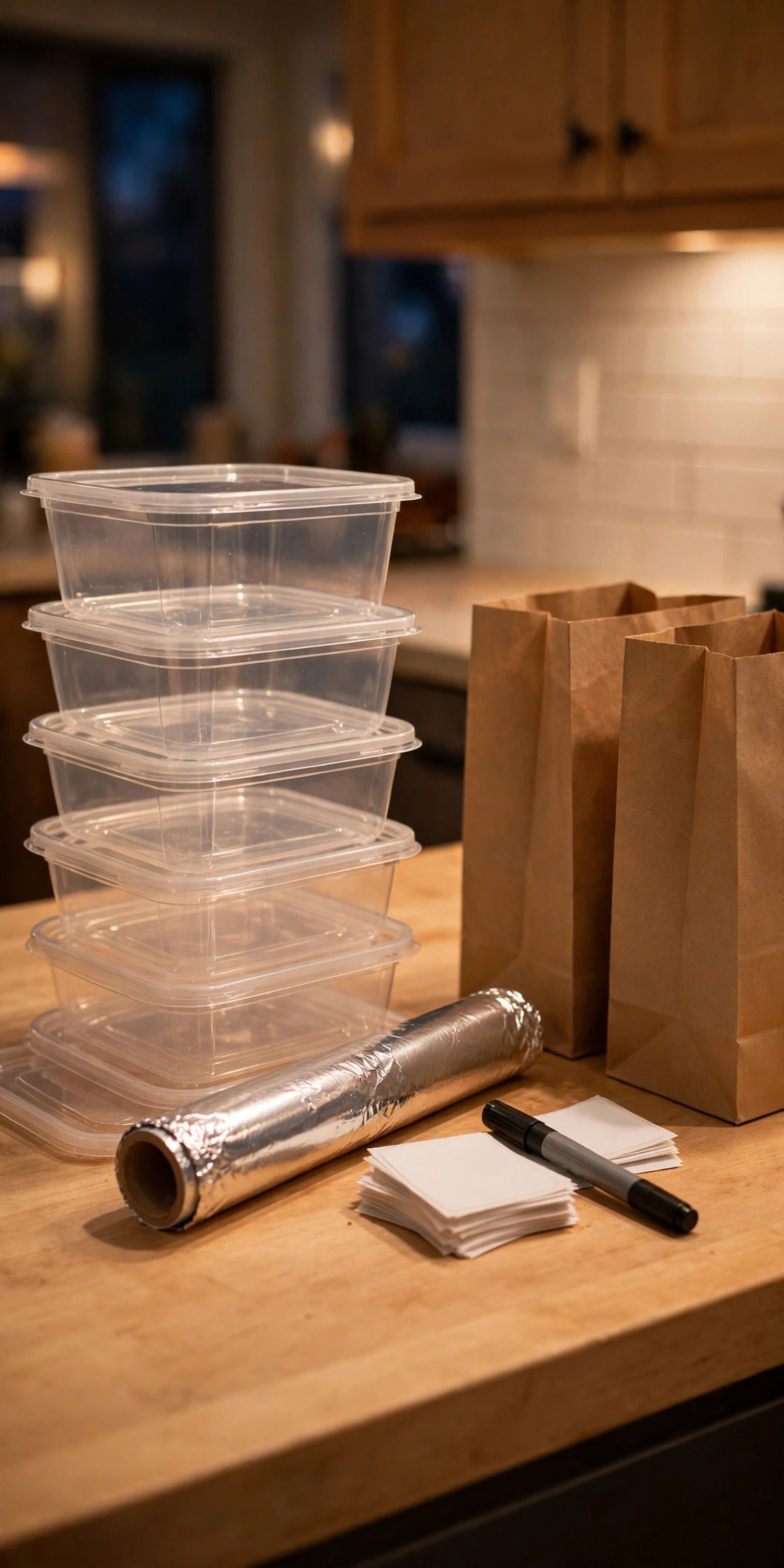
Tip: Match every lid to its container when you set up, not when guests are standing there. Lid-hunting at ten at night is the entire bottleneck, and it is solvable at four in the afternoon.
Frequently Asked Questions
Where should I start if I have never hosted Thanksgiving before?
Start with the timeline, not the shopping. Pick your palette a week out (idea 1), style the table the night before (idea 2), and set the welcome tray, coat overflow, and lighting sequence on the day (ideas 6, 7, 8). Those five moves cover most of what guests actually experience. Everything else on this list is polish you can add in later years.
When is Thanksgiving 2026, and when should the decorating happen?
Thanksgiving falls on Thursday, November 26, 2026. Working backward: palette and purchases a week before, table and chairs the night before, dessert staging and playlists that morning, and florals two to three hours before guests arrive. Almost nothing visual should be scheduled for the final hour; that hour belongs to lighting, the welcome tray, and you.
I’m hosting in a small space. Which of these ideas still work?
Nearly all of them, because most are systems, not objects. The palette, the night-before table, the lighting timeline, unscented table candles, and the leftover bar take no floor space at all. For seating, the overflow plan (idea 4) matters more in a small home, not less, and a garment rack coat station can live in a bedroom doorway where it costs no entry space.
Should the candles on the Thanksgiving table be scented?
No. Scent at the table competes with the food, so table candles should be unscented pillars or tapers. If you love a seasonal scent, burn one scented candle in the entry as guests arrive and put it out before dinner; the oven will handle the rest of the house.
How do I send leftovers home without the end-of-night scramble?
Build the packaging bar before dessert ends (idea 13): containers with lids pre-matched, foil, labels and a marker, and paper bags for carrying, all on one cleared counter. Guests pack their own plates, which is faster and fairer than one host portioning everything at the sink.
Final Thoughts
A hosted Thanksgiving is remembered as a sequence of small moments that worked: the door opened onto light and a drink, coats disappeared, dinner glowed, dessert appeared, and the goodbye had a book and a bag of pie. None of those moments needs a bigger budget; all of them need a decision made a day earlier than feels necessary. If money is the real constraint this year, these cheap Thanksgiving decor ideas dress the whole house for a few dollars an idea, and the timeline above will make them feel like a plan. Decorate the journey, and the day hosts itself.