
12 Cozy Bedroom Ideas for Better Sleep


Bad sleep is not always about a busy brain. Sometimes it is about the bedroom: bright ceiling light blazing at 10 pm, phone glowing on the pillow, laundry chair overflowing, curtains leaking streetlight. A bedroom like that is basically designed to keep you awake.
The fix is a sleep sanctuary built one small change at a time. Nothing fancy, nothing expensive. Your bedroom has exactly one job, helping you sleep, so here are 12 ideas to make it brilliant at that job, each with a simple action and a rough cost.
Start with idea #1 tonight. It takes ten minutes and it changes the signal your brain gets at bedtime. And if you want to see the finished room, my calm and cozy bedroom tour shows the whole sanctuary put together.
1. Switch to Warm, Low Lighting
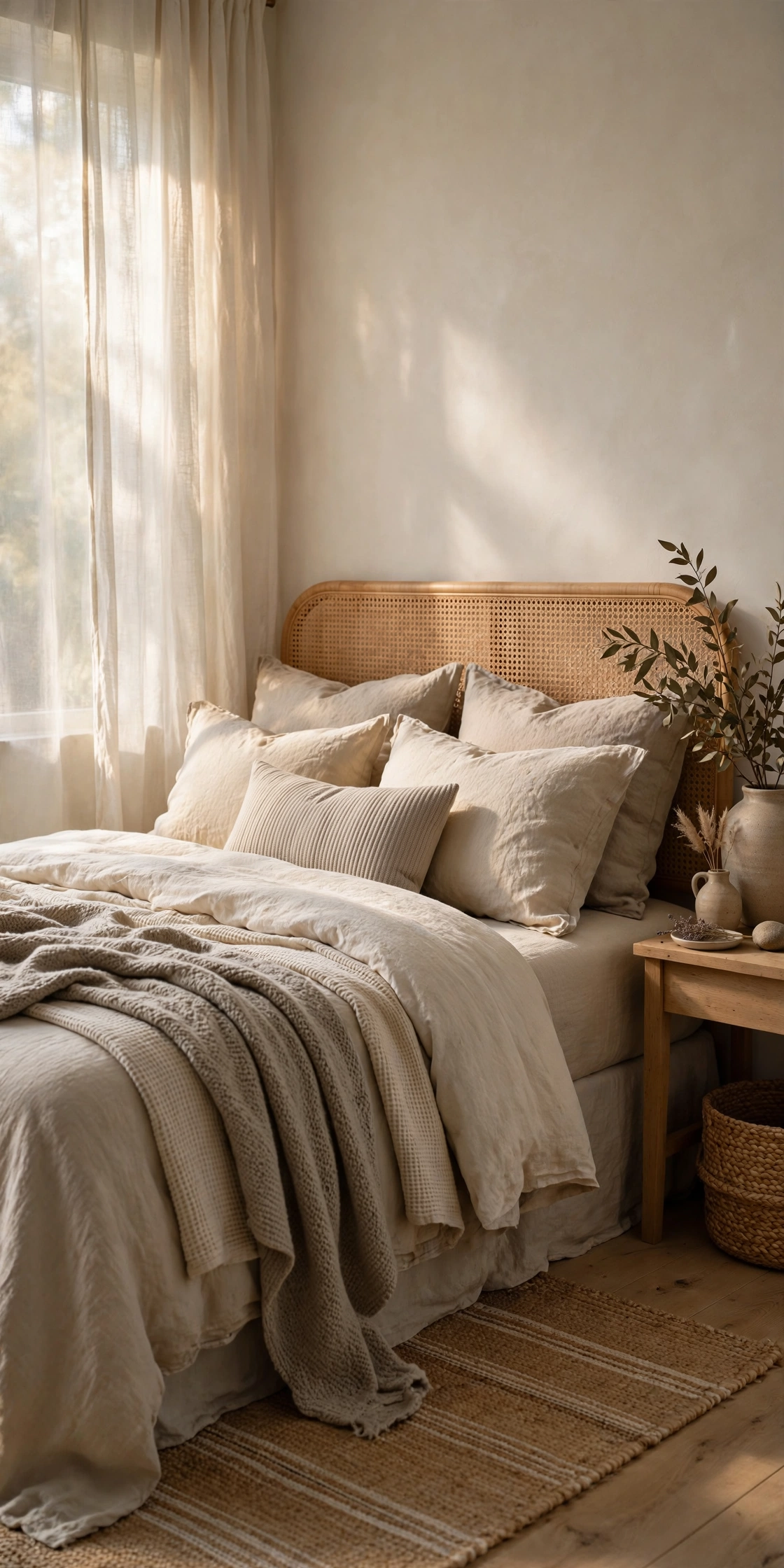
Bright overhead light tells your brain it’s noon, which is the opposite of what you want at bedtime. Swap the ceiling light for bedside lamps with warm bulbs (2700K or lower, look for “warm white” or “amber” on the box). I put a $20 lamp on each nightstand, and turning off the ceiling light at 9 pm became my nightly “the day is over” ritual.
When light dims and warms, your body starts producing melatonin, the hormone that makes you feel drowsy. This one change genuinely helps you feel sleepy earlier, and it costs about $20 to $40 for lamps plus $5 for warm bulbs.

Tip: Put the lamps on a cheap timer or smart plug so they switch off by themselves. One less decision at bedtime, and you’ll never again fall asleep with the lights blazing. I use the same warm-bulb trick in my living room for the same cozy reason.
2. Hang Real Blackout Curtains
Even a little light, streetlamps, a neighbor’s porch light, early sunrise, can fragment your sleep without fully waking you. Cheap “room darkening” curtains aren’t enough. Look for actual blackout curtains with a coated backing, and buy panels at least 4 to 6 inches wider than the frame on each side so light can’t sneak around the edges.
I paid $35 for a pair, hung them on a $12 tension rod, and my room is now cave-dark. Total cost $35 to $50, and the payoff is deeper, less interrupted sleep, especially if you’re a light sleeper or work odd hours.

Tip: Test before you buy fancy ones. Tape black trash bags over the window for two nights. If you sleep noticeably better, blackout curtains are worth every cent. If nothing changes, save your money for another idea on this list.
3. Layer Your Bedding Like a Cozy Nest
There’s a reason hotel beds feel so good: layers. Start with breathable cotton sheets, add a medium-weight duvet or quilt, then top it with a throw folded at the foot of the bed. Layers let you adjust through the night. Too warm? Kick off the throw. Chilly at 3 am? Pull it up.
I switched to a slightly heavier duvet in winter and a light quilt in summer instead of one do-everything blanket. Cost: $0 if you shop your linen closet first; a good cotton sheet set runs $30 to $50. Staying at a comfortable temperature all night is one of the biggest predictors of uninterrupted sleep.
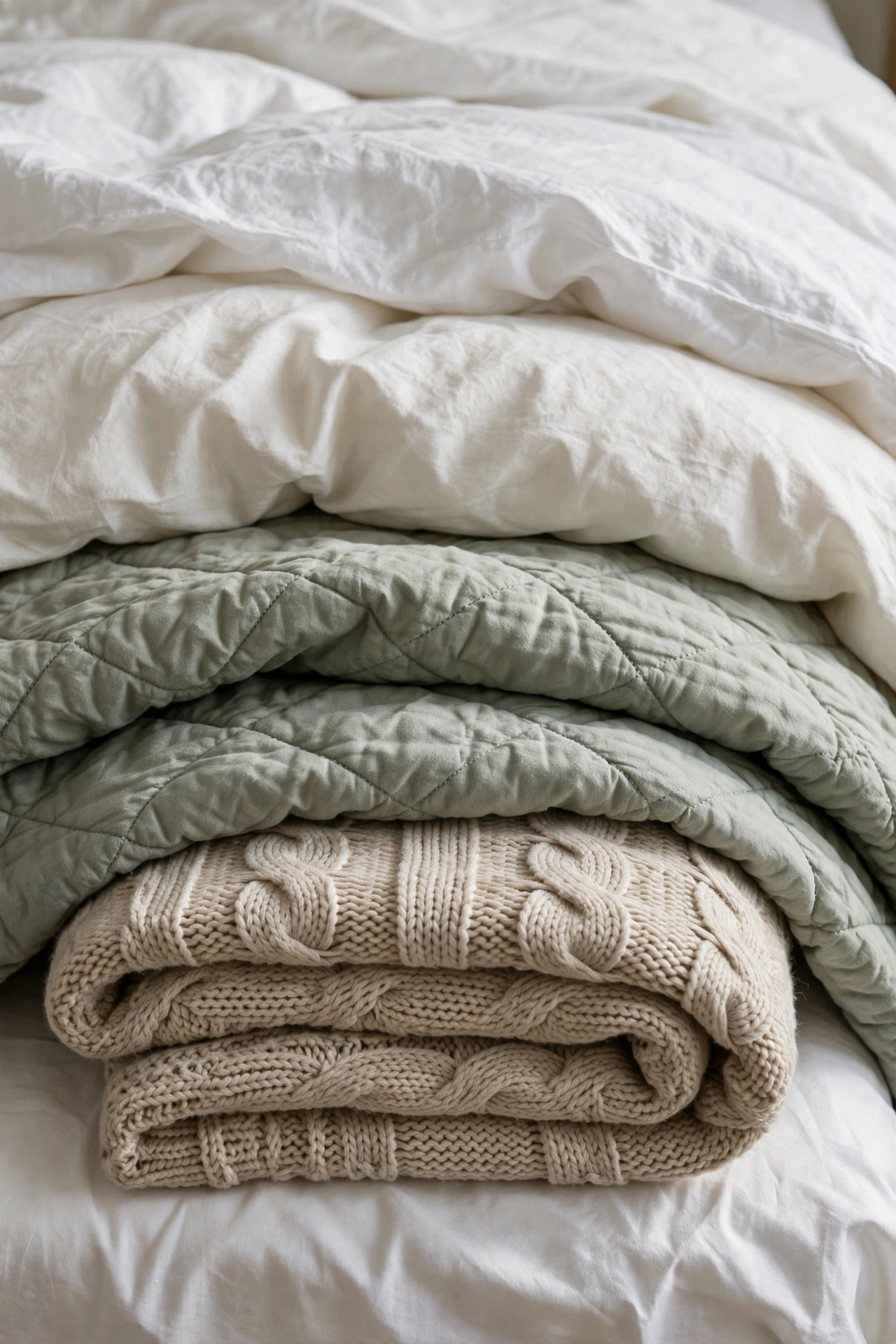
Tip: If you sleep hot and your partner sleeps cold, stop fighting over one blanket. Two separate duvets on one bed (the Scandinavian sleep method) ends the thermostat war overnight, and it looks just as cozy layered together.
4. Banish Screens From the Bed
This was the hardest one for me, and the most powerful. Blue light suppresses melatonin, but the bigger problem is what screens do to your mind. One “quick check” becomes 45 minutes of scrolling, and your brain arrives at midnight wired and buzzing.
My rule now: the phone charges in the hallway, not the bedroom. I bought a $15 sunrise alarm clock so I had no excuse. The first three nights felt weird. By night five, I was reading a paperback and falling asleep 20 minutes earlier. Cost: $0 to $15.

Tip: If the hallway feels too far, start with the phone across the room instead of on the pillow. Out of arm’s reach is 80% of the battle. The alarm clock matters more than willpower, because “but it’s my alarm” is the excuse that kills this habit.
5. Paint (or Dress) the Room in Calming Colors
Bold reds and bright patterns are energizing. Great for a kitchen, terrible for a bedroom. Calming bedroom colors are soft and muted: warm white, sage green, dusty blue, soft clay, gentle gray. You don’t need to repaint the whole room. Switching your bedding and curtains to muted tones changes the feel dramatically.
I swapped a busy patterned duvet for a solid sage one ($40) and the whole room exhaled. Cost: $0 to $50 depending on what you change. A visually calm room lowers that subtle background stress that keeps your mind humming at midnight.

Tip: If you rent and can’t paint, do the “textile swap”: duvet cover, curtains, and one throw in your calming palette. Textiles cover more visual area than walls do in a furnished bedroom, so the effect is nearly as strong.
6. Clear Every Surface
Clutter is visual noise, and visual noise keeps your brain on alert. Do a ruthless pass over your nightstand, dresser, and the dreaded chairdrobe. The nightstand rule: lamp, book, water glass, and one small beautiful thing. That’s it. Everything else gets a drawer, a basket, or a new home outside the bedroom.
I moved my laundry basket to the bathroom and donated the chair entirely. Best decision ever. Cost: $0. A clear room signals safety and order to your nervous system, which is exactly what it needs to power down.
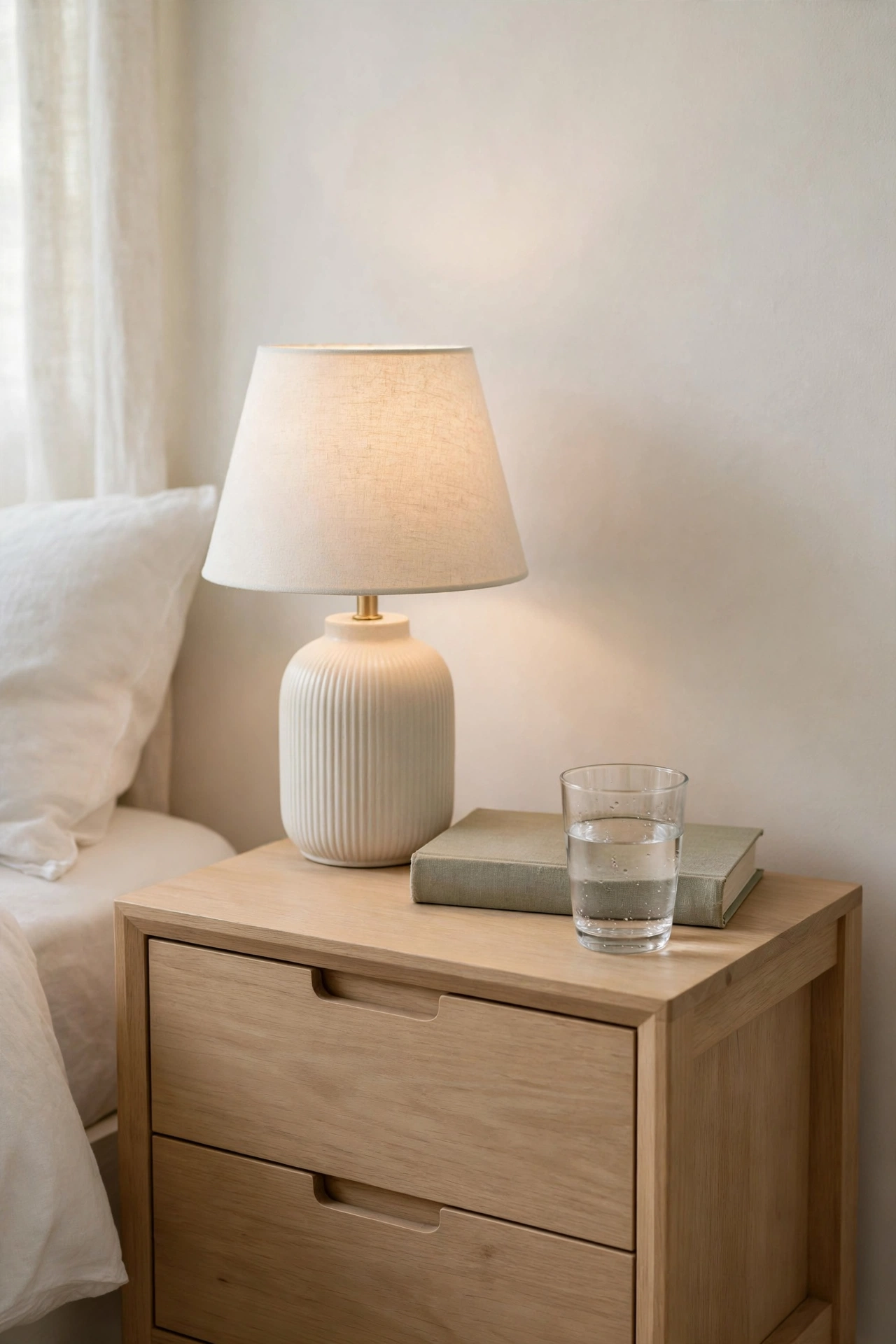
Tip: Give every stray item a “parking spot” with one small basket on the dresser. Random things land in the basket instead of spreading across surfaces, and you empty it once a week. Contained clutter doesn’t shout at your brain.
7. Add One Easy Plant
A little greenery makes a bedroom feel alive and restful, and caring for a plant adds a tiny calming ritual to your day. Bedrooms are perfect for low-light plants: a snake plant, pothos, or peace lily all tolerate dim corners. Keep it simple, one medium plant on the dresser or a trailing pothos on a shelf.
Skip strongly scented flowers in the bedroom; they can be overstimulating for sensitive sleepers. Cost: $10 to $20 including the pot. The payoff is mostly psychological, but a room that feels like a living, cared-for space is a room your brain associates with rest.

Tip: Water on a schedule you can’t forget: every Sunday, or “when the soil is dry two knuckles deep.” Bedroom plants die from overwatering far more often than underwatering, so when in doubt, skip a week.
8. Bring in a Sleep-Friendly Scent
Smell is wired directly to the emotional centers of your brain, which makes scent a powerful sleep cue. Lavender is the classic for a reason, but cedarwood, chamomile, and vanilla work too. I run a $12 essential oil diffuser for 30 minutes before bed, never all night. A lavender linen spray on the pillow ($8) is even simpler.
Cost: $8 to $15. A consistent bedtime scent becomes a Pavlovian signal within a couple of weeks: smell lavender, feel sleepy. Your brain learns the cue fast if you keep it consistent.

Tip: Never run a diffuser all night. You go nose-blind within an hour anyway, and the “30 minutes before bed, then off” window is what builds the association. Consistency of timing matters more than strength of scent.
9. Invest in Your Pillow Situation
You spend roughly a third of your life on your pillow, yet most of us sleep on a flat, sad pancake from college. Pillows lose support after 18 to 24 months. Side sleepers generally need a thicker, firmer pillow to keep the neck aligned; back sleepers need something thinner; stomach sleepers need the thinnest of all.
I finally bought a proper side-sleeper pillow for $35 and my morning neck ache vanished within a week. Cost: $25 to $50 for a good pillow. Fewer wake-ups from discomfort and no more morning stiffness, because comfort is sleep’s foundation.

Tip: Replace pillows every 18 to 24 months, and test in store if you can. Fold the pillow in half: if it springs back open, it still has life; if it stays folded, it’s done. Your neck will thank you within days.
10. Soften the Soundscape
Sudden noises, traffic, a neighbor’s door, the heating kicking on, cause micro-wake-ups even when you don’t remember them. You can’t soundproof cheaply, but you can mask. A simple white noise machine ($20 to $30) or a free phone app through a small speaker creates a steady sound blanket that smooths over the spikes.
I also hung a thick rug on the wall behind my bed, a $25 thrifted flat-weave, which cut the echo in my small room noticeably. Cost: $0 to $30. Fewer startled half-wake-ups, especially in apartments and city bedrooms.
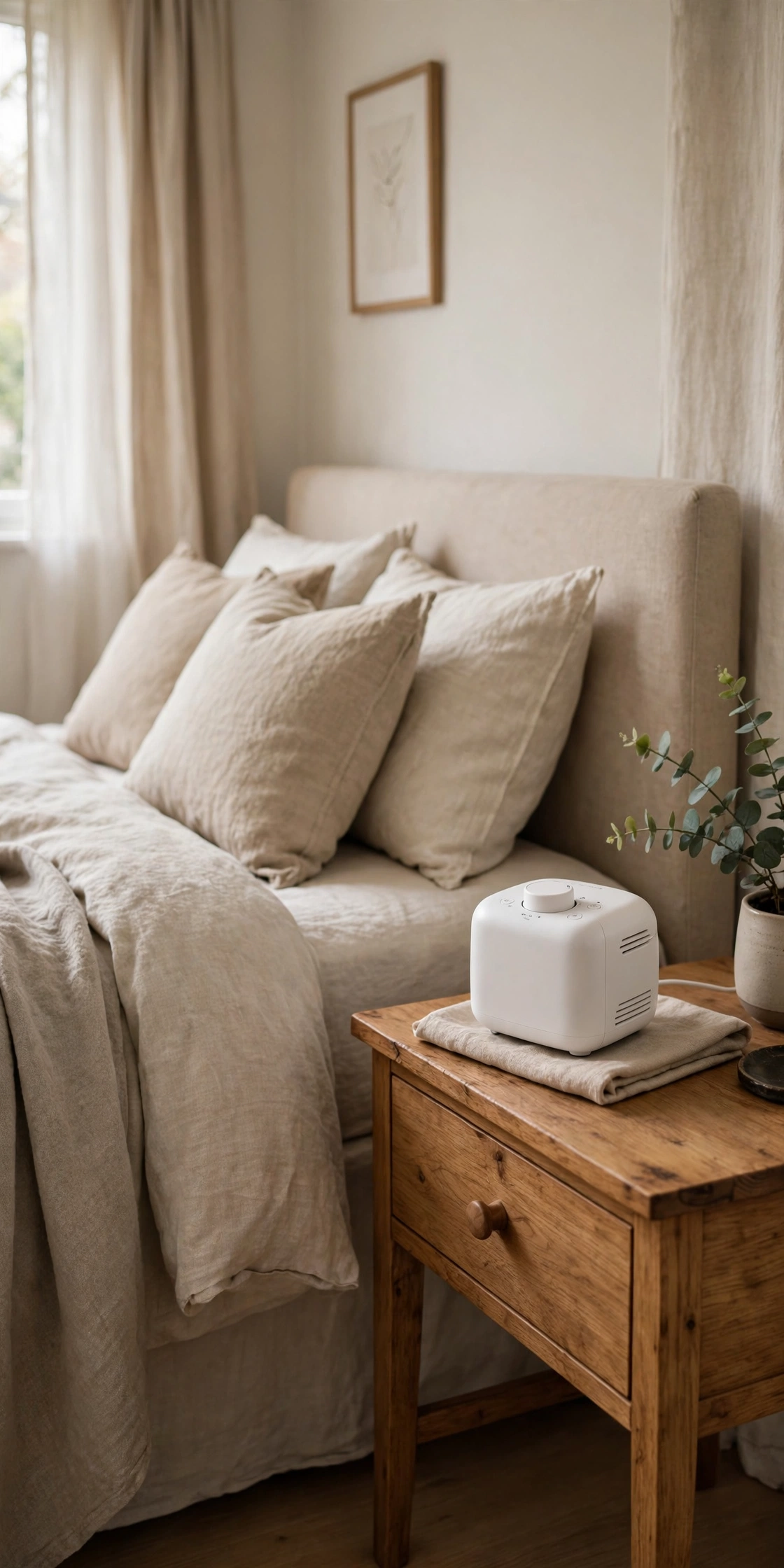
Tip: Keep the volume low, about as loud as a soft shower. White noise should fade into the background, not demand attention. And place the machine between you and the noise source (the window, the shared wall), not right by your head.
11. Keep the Room Cool
Your body needs to drop its core temperature to fall asleep, which is why a cool room beats a warm one every time. Sleep experts generally suggest around 65°F (about 18°C). In summer I run a $25 fan pointed at the bed; in winter I turn the bedroom radiator down and let the layered bedding do the work.
Breathable cotton or linen sheets help enormously if you sleep hot. I switched from microfiber to cotton and stopped waking up sweaty. Cost: $0 to $30. The payoff is falling asleep faster and staying asleep through the temperature dips of the early morning.
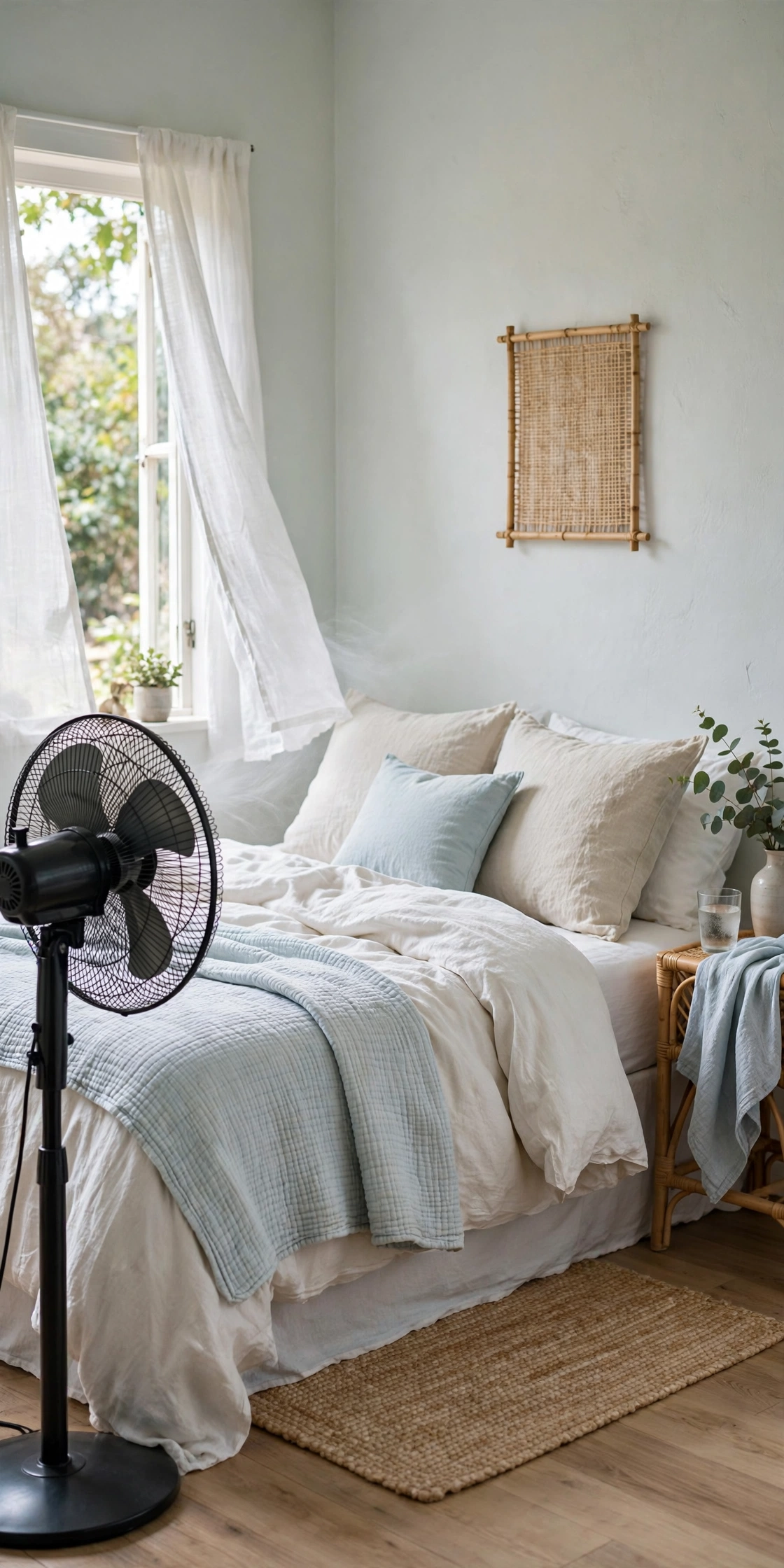
Tip: A warm shower an hour before bed actually helps you cool down faster. The warm water draws heat to your skin, and the cooldown afterward mimics the natural temperature drop your body needs to trigger sleepiness. Healthline’s ultimate guide for turning your bedroom into a sleep sanctuary covers temperature, light, and more.
12. Create a Landing Strip for Tomorrow
One sneaky sleep thief is tomorrow-anxiety: lying awake rehearsing the next day. My fix is a tiny “landing strip” by the bed. Every night I spend three minutes laying out tomorrow’s clothes on a hook, writing my top three tasks on a notepad ($3), and setting out my water and book.
When my brain tries to start planning at midnight, I can honestly tell it: “Already handled.” Offloading tomorrow onto paper is one of the most effective anti-insomnia tricks I know. Cost: under $5.
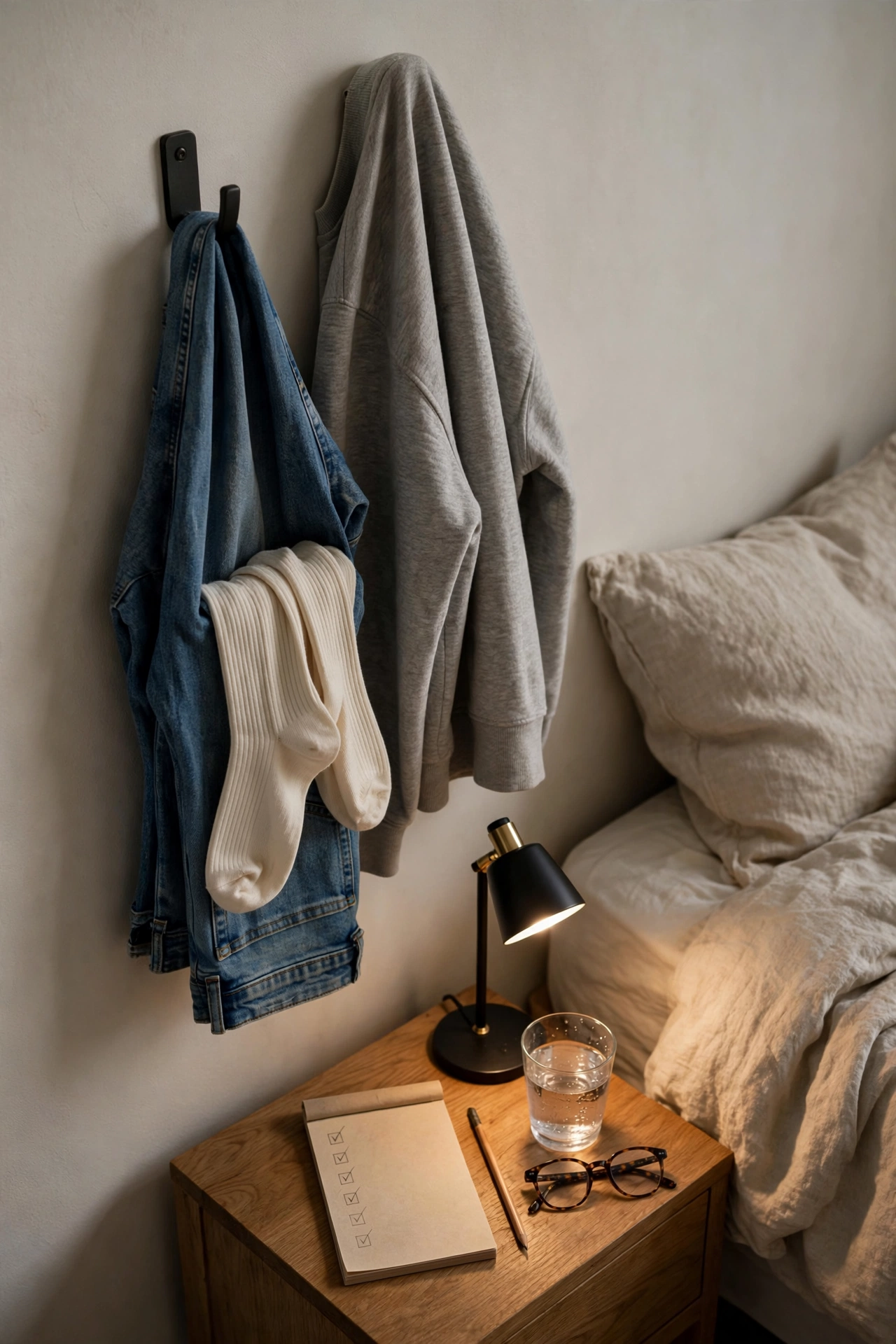
Tip: Keep the notepad and pen on the nightstand permanently. When a 2 am worry pops up, scribble it down instead of rehearsing it. Your brain lets go of things it trusts are captured somewhere.
Which Sleep Upgrade Should You Start With?
Not every idea pays off equally for every sleeper. Pick your first move:
| Project | Difficulty | Best for |
|---|---|---|
| Warm bedside lighting | Easy | Night owls, free, do tonight |
| Blackout curtains | Easy | Light sleepers, streetlight problems |
| Phone out of the bedroom | Free | Doomscrollers, biggest habit win |
| Proper new pillow | Easy | Morning neck aches |
| Layered cotton bedding | Easy | Hot and cold sleepers |
| 20-minute bedtime routine | Free | Everyone, ties it all together |
Frequently Asked Questions
How long until I notice a difference?
Some changes work the first night (blackout curtains, phone out of the room). Habit-based ones, like the scent cue and the routine, take about one to two weeks while your body learns the new signals. Give the full set a fair two-week trial.
Are blackout curtains worth it over room-darkening ones?
If any light reaches your bed, yes. True blackout with a coated backing blocks the sneaky edge light that fragments sleep. Do the trash-bag test for two nights first; if you sleep better, buy the real thing.
What if my partner has different sleep needs?
Compromise on the room, personalize the bed: separate duvets for different temperature needs, and an eye mask plus earplugs for the lighter sleeper. Most sleep conflicts are bedding conflicts in disguise.
Can I make a small bedroom feel calm too?
Absolutely, small bedrooms are actually easier to make cave-like and cozy. My small bedroom ideas cover making a tiny room feel bigger by day and sleep-ready by night.
What is the ideal bedroom temperature for sleep?
Cool, around 65°F (about 18°C). Your body needs to drop its core temperature to fall asleep, so a cool room with breathable bedding beats a warm room every time. A fan or cracked window handles summer; layered bedding handles winter.
Do I need to buy anything to sleep better?
No. Half the ideas on this list are free: declutter the surfaces, move the phone out, cool the room, and start the landing strip habit tonight. Spend money only after the free changes, on the one or two things your room still needs.
Final Thoughts
Better sleep isn’t really about buying things. It’s about telling your body, every single night, in every way you can, with light, with quiet, with cool air, with a clear room and a calm scent, that it is safe to let go. My honest total was $213, and half of that was replacing things I’d needed anyway. You could do the free half tonight, declutter, screens out, cooler room, landing strip, and feel a difference by the weekend. Sweet dreams, you deserve them. For the science behind the habits, Harvard Health’s sleep hygiene tips are worth a read.


